
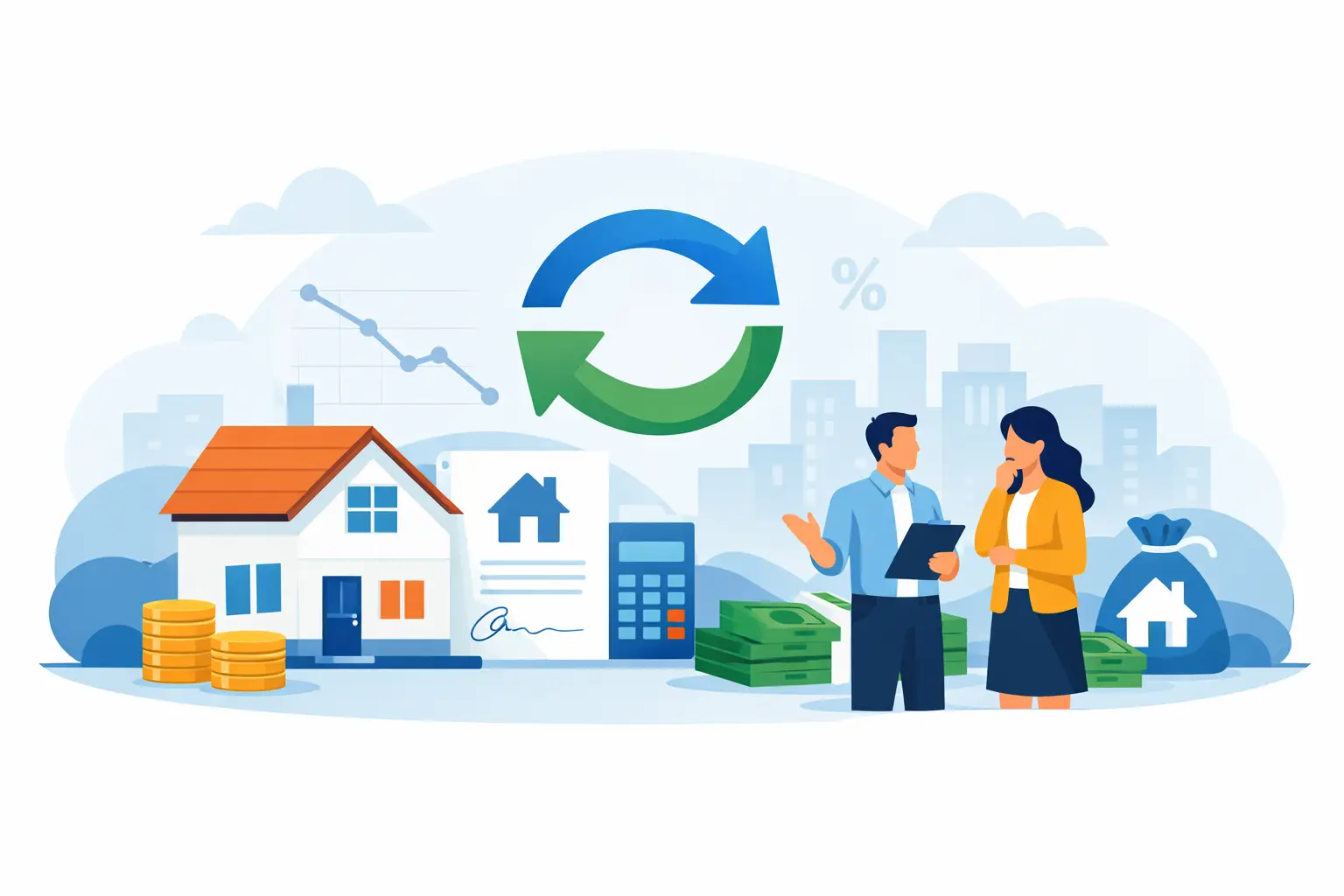
A lower rate gets the headlines, but that alone does not answer the real question: when should you refinance mortgage in a way that actually improves your finances? For most homeowners, the right timing comes down to math, goals, and how long they plan to keep the property. Refinancing can lower a monthly payment, reduce total interest, tap equity, or change loan terms, but only if the numbers work in your favor.
When should you refinance mortgage decisions make sense?
Refinancing makes sense when it solves a specific problem or creates a measurable benefit. That benefit might be a lower interest rate, a shorter loan term, more predictable payments, or access to cash for a high-value purpose. The strongest refinance decisions are not driven by headlines alone. They are driven by what changes for you month to month and over the life of the loan.
A lot of borrowers still ask whether they should wait for rates to drop by a full 1%. That old rule is too simple. In some cases, a smaller rate reduction is enough to justify refinancing, especially on a larger loan balance or when you plan to stay in the home for years. In other cases, even a bigger drop is not worth it if closing costs are high or you may move soon.
The better question is this: how long will it take for your savings to outweigh your refinance costs? If that break-even point is comfortably within the time you expect to own the home, refinancing may be worth a serious look.
The clearest signs it may be time to refinance
If your current rate is noticeably higher than today’s available rates, refinancing could improve both your payment and long-term interest costs. This is especially true if your credit has improved since you first took out the mortgage. A stronger credit profile can open the door to better pricing than you qualified for before.
It may also be the right time if you want to switch from an adjustable-rate mortgage to a fixed-rate loan. That move can create payment stability, which matters even more when rates are rising or your household budget needs predictability.
Another common reason is removing mortgage insurance. If your home has gained value or you have paid down enough principal, refinancing may help eliminate private mortgage insurance, which can reduce your monthly housing cost without changing anything else about the property.
Some homeowners refinance to shorten the loan term from 30 years to 15 or 20 years. That usually means a higher monthly payment, but it can save a substantial amount in interest and accelerate equity growth. Others go the opposite direction and extend the term to improve monthly cash flow. Neither move is automatically better. It depends on whether your priority is payment relief or faster payoff.
When a cash-out refinance is worth considering
A cash-out refinance can be useful when you want to convert home equity into funds for a strategic purpose. The key word is strategic. Using equity to pay for major home improvements, consolidate high-interest debt, or fund a meaningful financial need can make sense if the new mortgage remains manageable.
Still, this is where homeowners need to slow down and be honest about trade-offs. You are replacing your current loan with a larger one. That means more debt secured by your home. If the new rate is much higher than the rate you already have, the cash may come at a bigger long-term cost than expected.
For borrowers in Southern California, where home values may have risen significantly over time, equity can be a powerful tool. But access to equity should not be confused with free money. A cash-out refinance works best when the funds support a clear financial objective, not short-term lifestyle spending.
Costs matter more than most borrowers expect
One of the biggest refinance mistakes is focusing only on the new rate. Closing costs, lender fees, title charges, escrow costs, and other expenses can change the picture quickly. Even a strong rate may not produce meaningful benefit if the total cost to refinance is too high.
That is why break-even analysis matters. If refinancing costs $5,000 and saves you $200 per month, your break-even point is about 25 months. If you expect to sell or move before then, refinancing may not be the right move. If you expect to stay for seven more years, that same refinance may be a solid decision.
This is where a transparent process matters. You want to see the full cost, the realistic monthly savings, and the long-term effect on total interest. Clear answers make better decisions.
Credit, equity, and income all affect timing
Even if market rates look attractive, your personal qualification profile still matters. Lenders will look at your credit score, debt-to-income ratio, home equity, employment, and income stability. If one of those areas has improved since you got your original mortgage, refinancing may be more favorable now than it would have been a year ago.
On the other hand, if your credit score has dropped or your income has become harder to document, waiting may produce a better result. Sometimes the smartest move is to improve your profile first, then refinance from a stronger position.
Home equity is another major factor. More equity can help you qualify for better pricing and better loan options. If your property value has increased, you may be in a much stronger position than you realize.
When refinancing may not be the right move
Refinancing is not always the smart choice, even when rates look appealing. If you are only a few years away from paying off your mortgage, resetting into a new 30-year term can increase the amount of interest you pay over time. The monthly payment may drop, but the long-term cost could rise.
It may also make sense to pause if your current mortgage already has a very low fixed rate. In that case, replacing it with a new loan at a higher rate could work against you unless another benefit clearly outweighs the cost.
Borrowers who expect to move soon should be cautious too. If you will not own the home long enough to recover the refinance costs, the transaction may not deliver real value. The same goes for homeowners refinancing mainly because they received a marketing offer rather than because they have a defined financial goal.
How to tell if refinancing helps your specific goals
A refinance should match what you are trying to accomplish. If your goal is lower monthly payments, compare the total new payment, not just principal and interest. Look at taxes, insurance, and mortgage insurance if applicable. If your goal is paying off debt faster, calculate the total interest savings over the shorter term.
If your goal is stability, compare the risk of your current adjustable payment structure with the predictability of a fixed-rate option. If your goal is using equity, weigh the benefit of the funds against the cost of increasing your mortgage balance.
This is why the right refinance is rarely one-size-fits-all. The same loan structure can be excellent for one borrower and a poor fit for another. A first-time homeowner looking for payment relief has different priorities than a veteran borrower evaluating a VA refinance or an investor focused on long-term returns.
What to review before moving forward
Before you refinance, review your current interest rate, remaining loan balance, credit score, monthly payment, and how long you expect to stay in the property. Then compare that with the proposed new rate, total closing costs, monthly savings, and whether the term is getting longer or shorter.
Ask a practical question: what improves on day one, and what improves over the next five years? If the answer is clear and measurable, refinancing may be worth it. If the benefit depends on optimistic assumptions or stretches too far into the future, it may be better to wait.
Working with a responsive mortgage partner can make this process faster and much clearer. The goal is not just to close a loan. The goal is to make sure the refinance supports your financial direction with confidence. For homeowners who want straight answers, competitive options, and lightning-fast turn times, that clarity makes all the difference.
The right time to refinance is when the numbers support your plan, the costs are justified, and the new loan puts you in a better position than the one you have today.